-
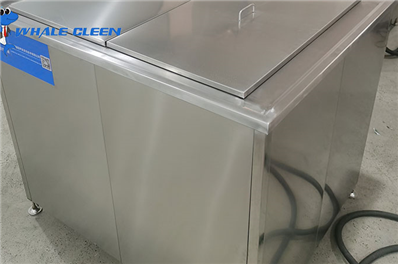 The Extensive Applications of Ultrasonic Cleaning Machines in the Chemical Industry
Ultrasonic cleaning machines have become indispensable tools in various industrial sectors, and their significance in the chemical industry is particularly noteworthy. The ability of these machines to provide thorough and efficient cleaning solutions has
-
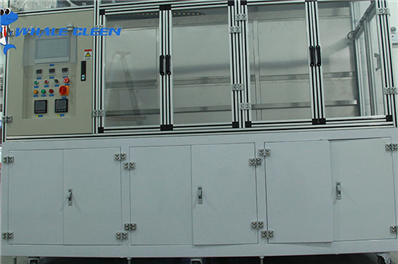 Best Materials for Ultrasonic Cleaning Machines: A Professional Insight
Introduction Ultrasonic cleaning machines are widely used across industries for their efficient and effective cleaning capabilities, particularly in sectors such as electronics, automotive, medical, and manufacturing. The cleaning process relies on the
-
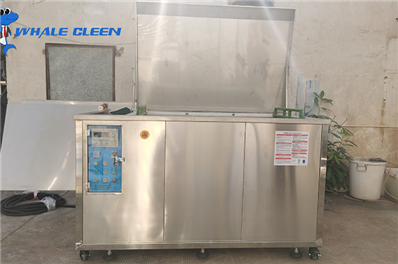 Titanium Plate Ultrasonic Cleaning Machine: Enhancing Industrial Surface Cleaning Efficiency
Titanium plate ultrasonic cleaning machines are advanced equipment specifically designed for cleaning the surfaces of titanium plates. They utilize the principles of ultrasonic vibration combined with appropriate cleaning solutions to effectively remove o
-
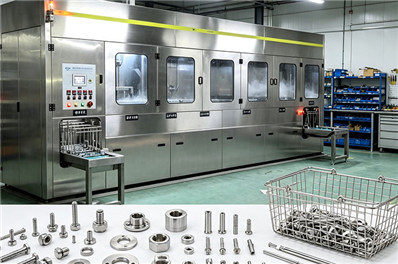 Breaking the Cleaning Bottleneck in Nickel and Gold Plating Lines with Whale cleen Ultrasonic Technology
In high-value surface finishing shops, nickel and gold plating lines demand the highest levels of surface cleanliness. A single fingerprint, a microscopic film of stamping oil, or a speck of polishing compound left on a component will manifest as blisteri
-
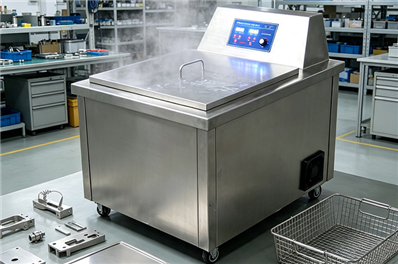 Ultrasonic Cleaning Machine: How Powerful Is It Really? A Shocking Test in Hardware Electroplating Pretreatment
If you have ever walked through a hardware electroplating line, you have seen the frustration firsthand. Parts come out of the bath with patches of peeling plating. Edges look dull. Blind holes show signs of uneven coverage. The plating bath chemistry is
-
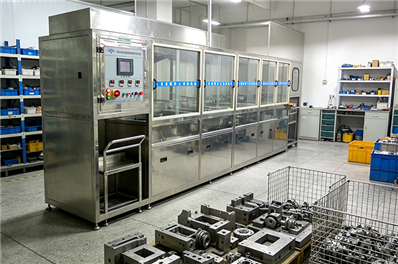 One Ultrasonic Machine, Three Critical Cleaning Tasks – Can It Really Handle Silicon Material, Solar Cells, and Terminal Blocks in One Go?
In photovoltaic manufacturing, semiconductor fabrication, and electronic component production, cleaning is never a single-step affair. Different materials, different contaminants, and different surface sensitivities demand different approaches – or so the
-
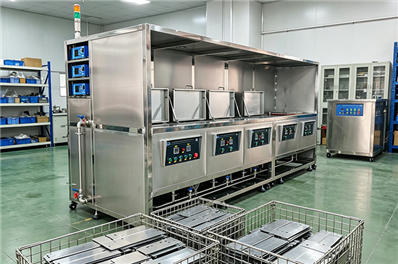 Ultrasonic Cleaning Machine: Breaking the Production Bottleneck When Piles of Oily, Chip-Covered Parts Stall Your Shop Floor
Walk into almost any machining workshop, and you will see the same scene: pallets stacked high with freshly machined parts, their surfaces glistening with cutting oil and clinging to metal chips, grinding dust, and microscopic debris. The parts are ready
-
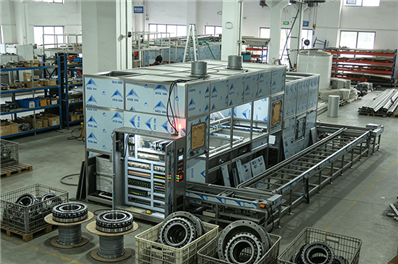 Ultrasonic Cleaning Machine: The Cost-Effective Solution for Mold Parts Cleaning
In the manufacturing industry, the cleaning of mold components—such as core pins, ejector pins, and intricate mold inserts—has long been a silent drain on production budgets. The costs are not limited to cleaning agents and labor; they extend to rejected
-
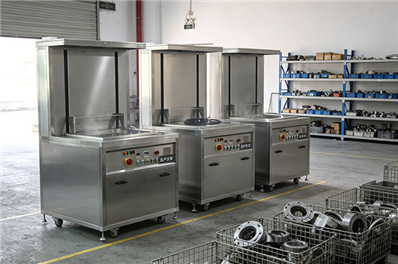 PCB Water Spots and White Residue After Cleaning? This Automated Ultrasonic Cleaner Saved Our Yield
For electronics manufacturers, few things are more frustrating than watching a batch of perfectly assembled PCBs emerge from the cleaning line covered in unsightly water spots and chalky white residues. The boards looked flawless before cleaning. Now they
-
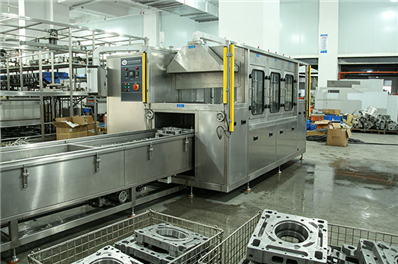 FPC Flexible Board Easily Damaged by Manual Cleaning? Finally, a Solution for High-Volume Degreasing
In electronics manufacturing, few components are as delicate—and as critical—as Flexible Printed Circuits (FPCs). Thin as paper, with trace widths often below 0.03mm, FPCs are the backbone of smartphones, wearables, tablets, and countless other compact de
-
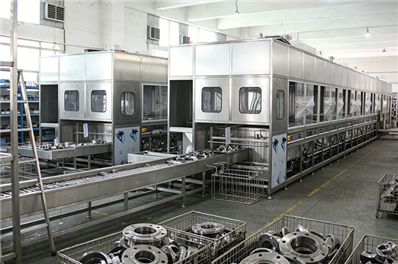 Batch Pneumatic Component Cleaning Fast and Reliable: How Ultrasonic Cleaning Works
Pneumatic components—valves, cylinders, manifolds, fittings—are the workhorses of automated production lines, material handling systems, and countless industrial machines. They depend on clean internal surfaces to seal properly, slide smoothly, and actuat
-
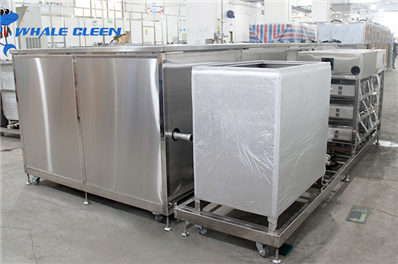 The Same Circuit Board, Different Results: Why Leading Electronics Manufacturers Are Switching to Industrial Ultrasonic Automatic Cleaning Machines
Look at the two PCBs. The first was cleaned with a manual brush and solvent dip. The second came from a fully automated ultrasonic cleaning line. To the naked eye, they look identical—solder joints shining, surfaces spotless, ready for assembly. But un